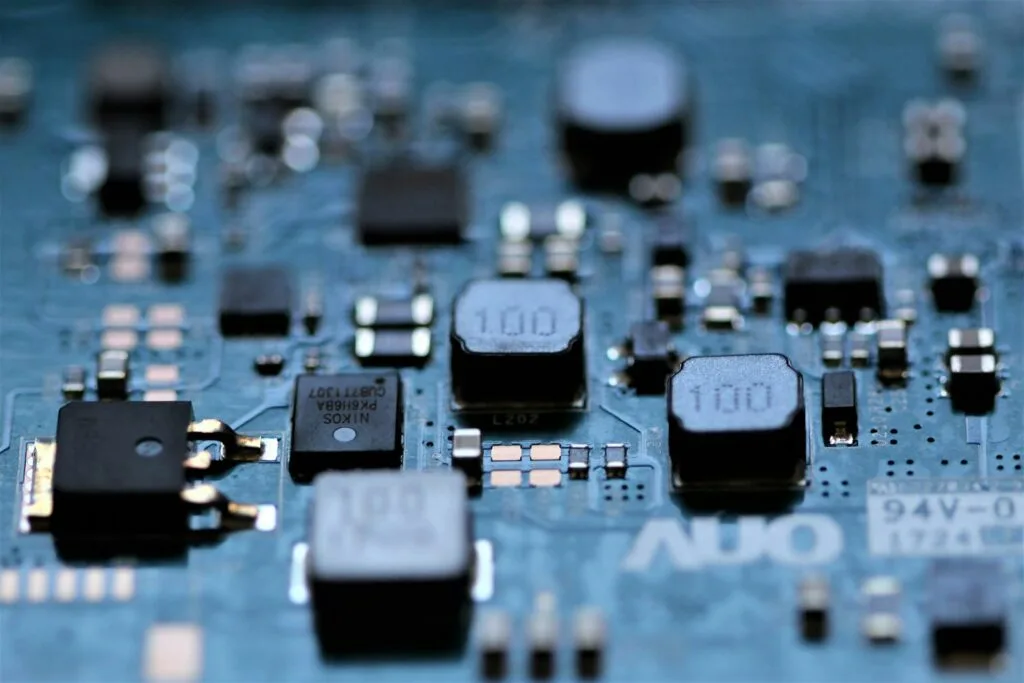
Electronic waste is the fastest-growing waste stream in the world. According to the Global E-waste Monitor 2024, Europe generates around 17.6 kg of e-waste per person each year, yet only 42.8% of it is documented as properly collected and recycled. Some of the rest sits forgotten in drawers and attics. Some of it goes straight into the household or office bin.
That is a problem, because many everyday electronics contain hazardous substances that can contaminate soil and groundwater, cause fires in collection trucks and sorting plants, or leak personal data. They also contain valuable materials that are lost for good once they are incinerated or buried. Here are five items that should never go in the regular bin, and what to do with them instead.
1. Old Smartphones and Tablets
Your old smartphone might seem harmless sitting in a drawer, but it combines three risks in one small package. It contains a lithium-ion battery that can catch fire if it is crushed in a bin lorry or a waste facility. Older models may contain lead-based solder and other substances that are now restricted in new electronics. And it almost certainly still holds personal data: photos, messages, saved passwords, email accounts and, for work phones, business contacts and documents.
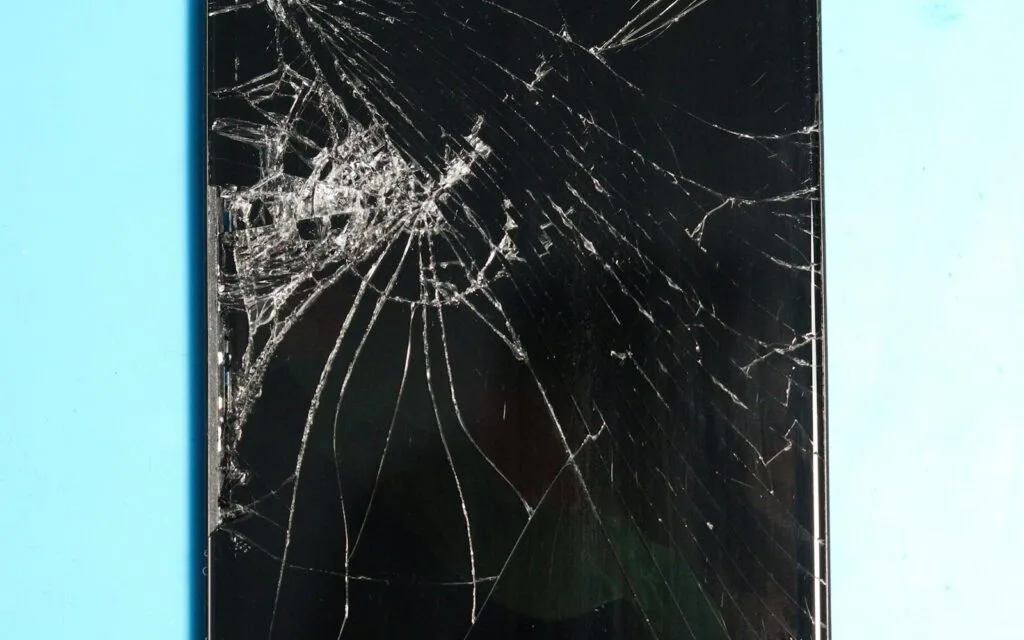
Phones and tablets are also some of the most material-dense devices you own. Their circuit boards contain gold, silver, palladium and copper, and their batteries contain cobalt and lithium. All of these can be recovered in a certified recycling process.
Instead of throwing them away, bring them to a certified e-waste recycler like WMG Waste eRecycling, where we remove data securely, recover the valuable materials and make sure hazardous components are handled responsibly. Businesses replacing a fleet of phones can use our data destruction service for certified wiping or physical destruction, and devices that still work may qualify for our hardware buyback. For a single personal phone, sign out of all accounts, remove the SIM and memory card, and perform a full reset before handing it in.
2. Computer Monitors and Televisions
Older CRT monitors and televisions, the deep, heavy sets that were standard until the mid-2000s, contain lead in their glass, used to shield viewers from radiation. When that glass breaks in a landfill or a mixed waste stream, the lead can leach into the environment. Many older flat screens are also a concern: LCD screens with CCFL backlighting contain small amounts of mercury in their lamps, and the plastic housings of many older screens contain brominated flame retardants.
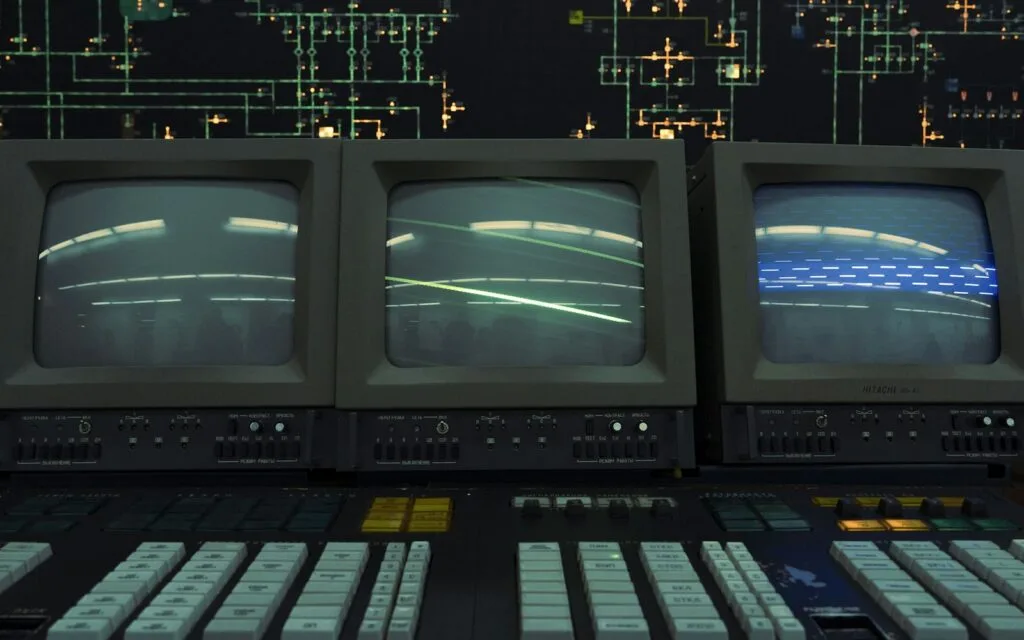
Screens are bulky and fragile, which is exactly why they get dumped. They should always be recycled through a WEEELABEX-certified facility that can separate and safely process the glass, metals, plastics and backlight components inside. At WMG, e-waste recycling covers monitors alongside computers, laptops, servers, printers and other IT equipment. When you move screens, keep them upright and avoid stacking them face down, so the glass stays intact until it reaches the recycler.
3. Printer Cartridges and Toner
Ink and toner cartridges look like simple plastic, but they contain residues that do not belong in the general waste stream. Toner is an extremely fine powder that can escape from damaged cartridges, and ink cartridges often contain small electronic chips alongside leftover ink. The plastic casings take a very long time to break down in landfill.
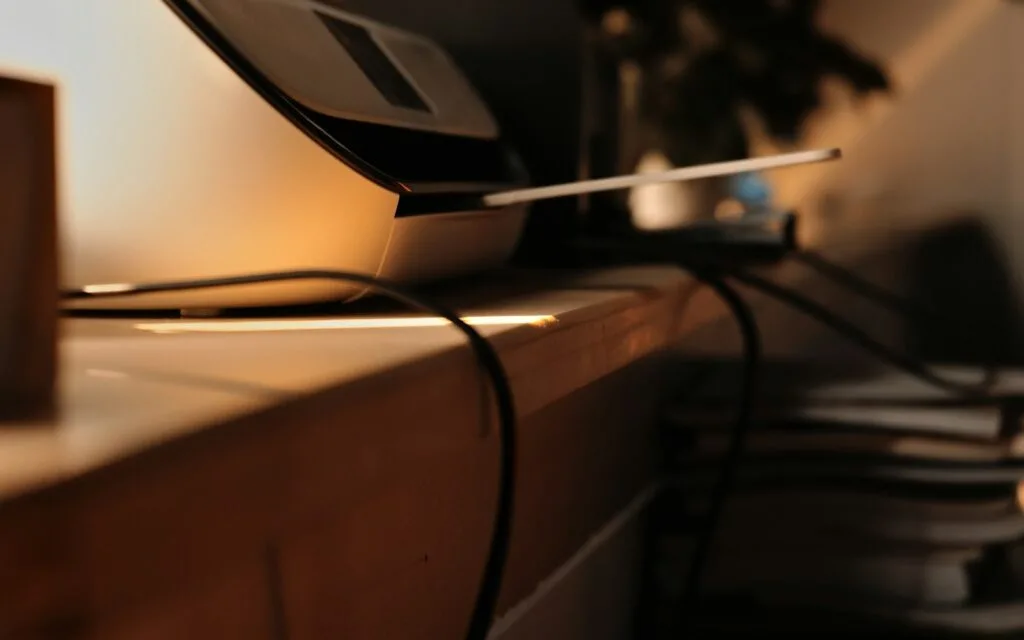
Many cartridges can also be refilled or remanufactured, which makes them a waste of resources in the bin. Most major printer manufacturers run free return programs, and many office suppliers and retailers offer collection boxes for used cartridges. Professional recycling recovers the plastic and metal parts and safely handles the remaining ink and toner residues.
If you are clearing out office printers at the same time, ask us about the cartridges still inside them when you request a quote. Printers themselves are on the list of equipment we accept for recycling, and working business printers may be eligible for buyback.
4. Batteries of Any Kind
From AA batteries to laptop power packs, all batteries contain chemicals that can cause fires in waste facilities or contaminate the environment. Lithium-ion batteries are particularly dangerous because they can ignite when crushed or punctured in standard waste processing. A single damaged battery in a bin lorry can set the whole load alight, and fires in waste and recycling facilities linked to lithium batteries have become a recurring issue across Europe.
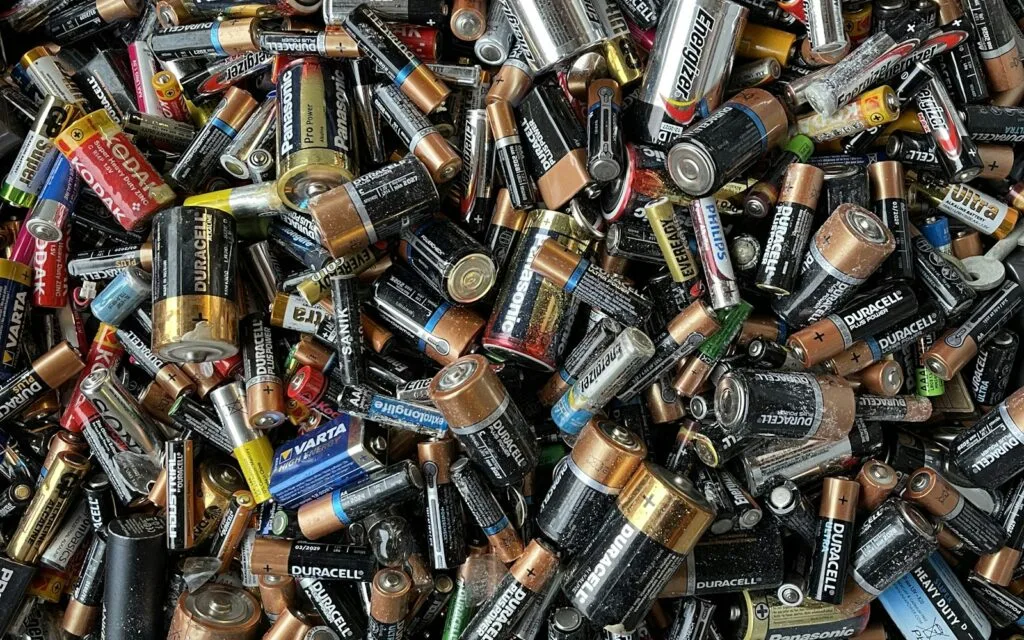
The rules are tightening accordingly. The EU Batteries Regulation requires the collection rate for portable batteries to reach 63% by the end of 2027 and 73% by the end of 2030. In the Netherlands, households can drop off loose batteries at Wecycle collection points in supermarkets, electronics stores and municipal recycling centres.
For businesses, batteries usually arrive inside equipment: laptops, phones, tablets, UPS units and cordless tools. These should travel with the devices to a certified recycler rather than being removed and binned separately.
A few safety habits make a real difference:
- Cover the terminals of lithium batteries and button cells with tape before storing or handing them in.
- Store used batteries in a cool, dry container, away from metal objects.
- Never charge or use a swollen, damaged or overheating battery. Keep it separate and hand it in as soon as possible.
- Leave batteries inside laptops, phones and tablets if they cannot be removed easily. The recycler will extract them safely.
5. Fluorescent Light Bulbs and LEDs
Compact fluorescent bulbs and fluorescent tubes contain a small amount of mercury vapor. When they break in a bin, that mercury is released. Because mercury is harmful even in small quantities, these lamps are classed as hazardous waste. If one breaks at home or in the office, ventilate the room, avoid using a vacuum cleaner, and collect the pieces carefully in a sealed container.
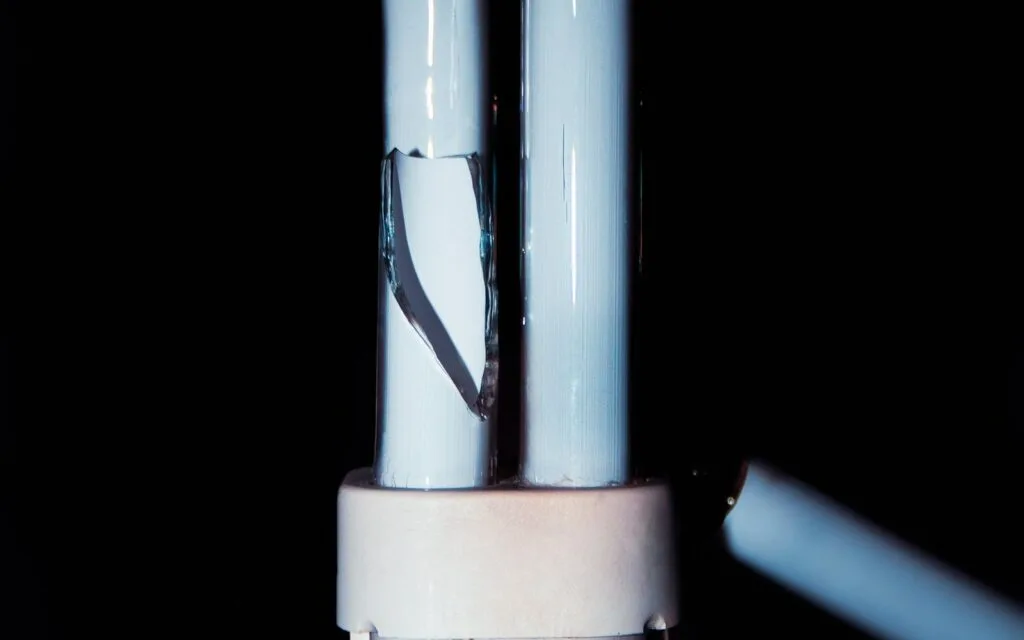
Even modern LED bulbs contain electronic components and materials such as gallium and rare earth phosphors that should be recovered rather than lost in landfill. Both types belong at a collection point. Many stores that sell lamps accept old ones, and municipal recycling centres take them as well. Businesses replacing large numbers of lamps or fittings during a renovation should arrange a dedicated collection rather than mixing them with construction waste.
What Should You Do Instead?
The safest and most responsible option is to use a certified e-waste recycling service. It is also easier than most people expect. For businesses, the process usually looks like this:
- Gather your unused electronics in one place and make a rough inventory.
- Identify every device that stores data, including phones, laptops, drives, USB sticks and copiers.
- Request a quote and schedule a pickup, or drop smaller quantities off at our facility.
- Keep the certificates of recycling and data destruction for your records.
At WMG Waste eRecycling, we offer free pickup across the Netherlands for most standard business collections. For households and very small quantities, a small collection fee may apply, so contact us for a quote. Our WEEELABEX-certified processes make sure that every component is handled safely and sustainably, with up to 95% of valuable materials recovered and zero landfill disposal. Our guide to recycling e-waste walks through each step in more detail.
Ready to dispose of your e-waste responsibly? Request a free quote today.