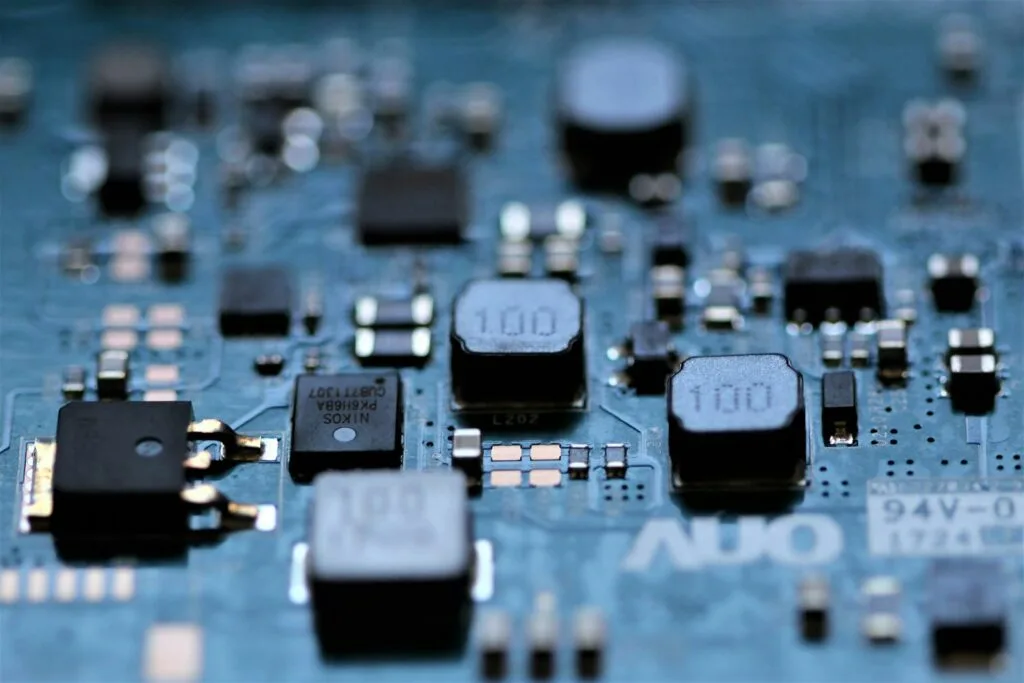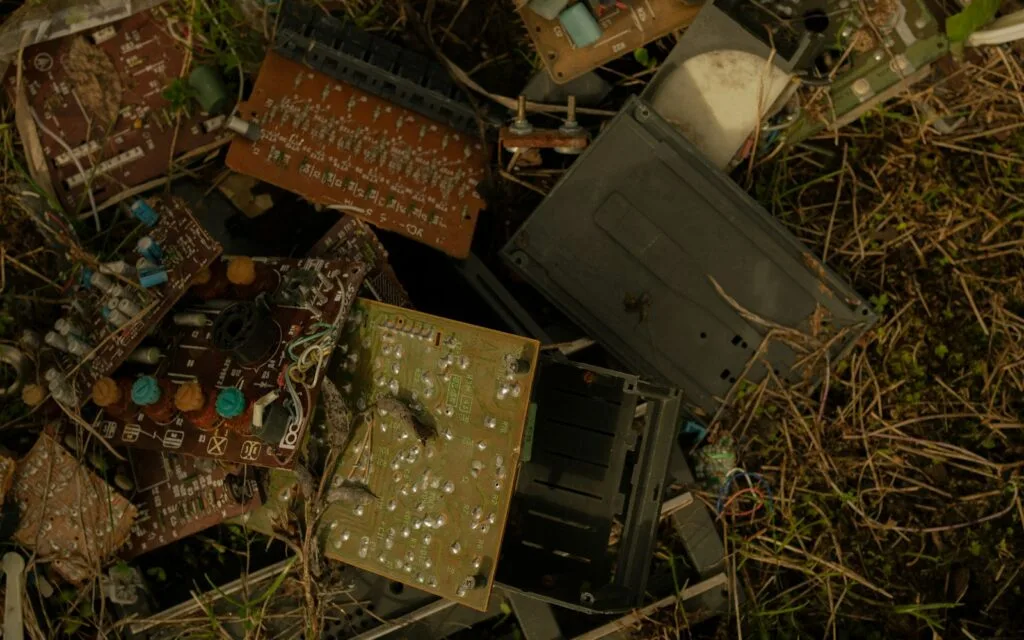
E-waste, short for electronic waste, is any discarded product that has a plug, a battery or a cable. That includes the obvious items like laptops, phones and televisions, but also servers, printers, routers, kitchen appliances, power tools, lamps and electronic toys. In European regulation it is called WEEE: waste electrical and electronic equipment.
E-waste gets its own name because it behaves differently from ordinary rubbish. It contains hazardous substances that must be removed and treated, valuable materials that can be recovered, and, in the case of IT equipment, data that has to be destroyed. This article explains what counts as e-waste, why it needs separate handling, and what happens to it once it is collected.
What Counts as E-Waste
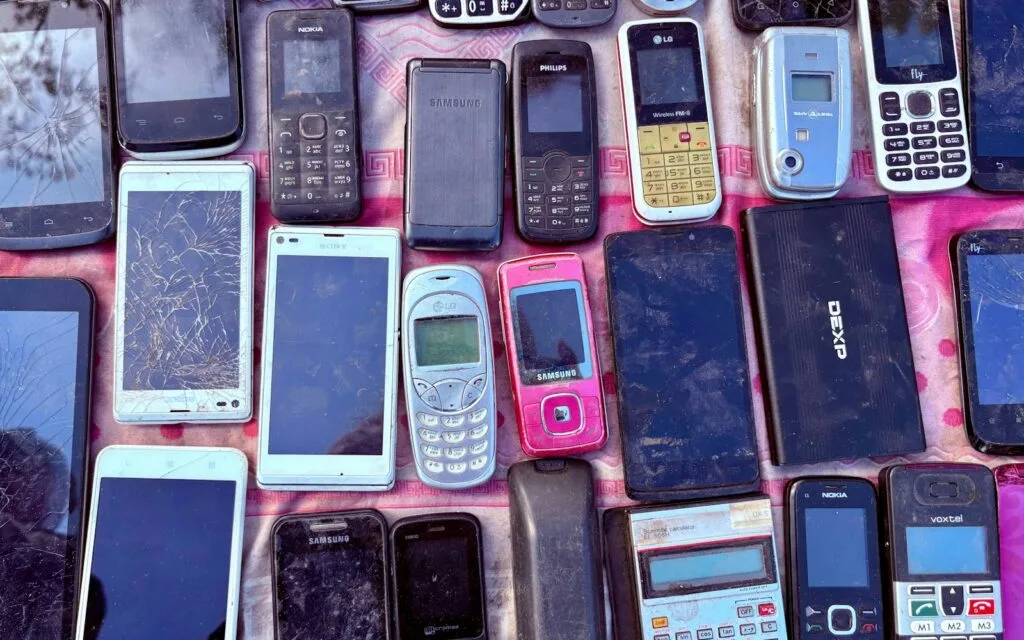
A simple test: if a product needed electricity or a battery to work, it becomes e-waste when you throw it away. European rules group electrical equipment into six broad categories:
- Temperature exchange equipment, such as refrigerators, freezers, air conditioners and heat pumps.
- Screens and monitors, including televisions, computer monitors, laptops and tablets.
- Lamps, such as fluorescent tubes, compact fluorescent bulbs and LED lamps.
- Large equipment, including washing machines, large printers, copiers and server racks.
- Small equipment, such as vacuum cleaners, microwaves, toasters, electronic toys and e-cigarettes.
- Small IT and telecommunications equipment, including phones, routers, keyboards, hard drives and GPS devices.
For most businesses, the bulk of their e-waste falls into the IT categories: computers, laptops, servers, monitors, printers, networking equipment, phones, tablets, cables and peripherals. Specialist sectors add their own streams, such as medical devices in healthcare, control systems in manufacturing, and telecommunications equipment for network operators.
Cables, chargers and power adapters count too, even though they are easy to forget. So do the batteries inside devices. A drawer of tangled chargers and old phones is e-waste just as much as a pallet of decommissioned servers.
Why E-Waste Needs Separate Handling
There are three reasons e-waste cannot go in the general waste bin.
The first is hazardous content. Electronics can contain lead in solder and older screen glass, mercury in fluorescent lamps and older flat-screen backlights, cadmium in some older batteries, and brominated flame retardants in plastic housings. When e-waste is burned or dumped, these substances can end up in air, soil and groundwater. The Global E-waste Monitor 2024 estimates that poorly managed e-waste releases around 58,000 kg of mercury and 45 million kg of plastics containing brominated flame retardants into the environment every year.
The second is fire risk. Lithium-ion batteries in phones, laptops, power tools and e-cigarettes can ignite when they are crushed or punctured, which happens routinely in bin lorries and at waste sorting facilities.
The third is value. Electronics contain copper, aluminium, steel, gold, silver, palladium, cobalt and rare earth elements. Once a device is incinerated or landfilled, those materials are lost and have to be mined again. You can read more about this in our article on raw materials in electronic waste.
A related concern is where e-waste ends up. Equipment handed to informal collectors is sometimes exported outside Europe, where it may be stripped for copper and gold by burning cables or using acid baths, with serious consequences for the health of workers and nearby communities. Certified collection keeps it inside a regulated system.
For businesses there is a fourth reason: data. Laptops, servers, phones, copiers and storage media can still hold personal and commercial information long after they are switched off for the last time.
How Much E-Waste Is Generated
The world produced a record 62 million tonnes of e-waste in 2022, an 82% increase since 2010, according to the Global E-waste Monitor 2024. The same report expects that figure to reach 82 million tonnes by 2030. Only 22.3% of the 2022 total was documented as properly collected and recycled.
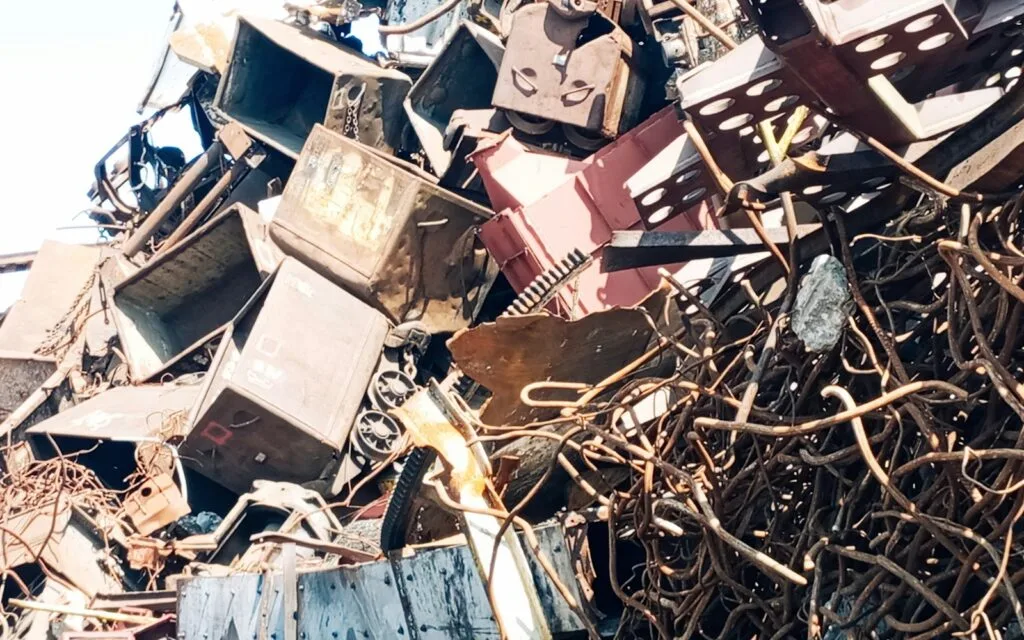
Europe performs better than any other region, with a documented collection and recycling rate of 42.8%. It also generates more e-waste per person than anywhere else, at around 17.6 kg per inhabitant per year. In other words, even in the best-performing region, more than half of all e-waste is still not accounted for in official recycling figures.
Several trends keep the numbers rising: shorter replacement cycles for phones and laptops, more connected devices in homes and offices, growing data center capacity, and products that are difficult or expensive to repair.
E-Waste Rules in the Netherlands
In the Netherlands, e-waste is governed by the European WEEE Directive, implemented through Dutch legislation and enforced by the Human Environment and Transport Inspectorate (ILT). Producers and importers that place electrical equipment on the Dutch market must join Stichting OPEN and register with the Nationaal (W)EEE Register. Retailers selling new appliances must take back comparable old equipment free of charge.
Households can hand in their e-waste at Wecycle collection points in shops and at municipal recycling centres. Businesses are expected to make sure their e-waste reaches a certified processor and to keep evidence that it did. Our WEEE regulations guide explains the legal framework in more detail, and our article on how Dutch businesses can meet WEEE compliance requirements covers the practical steps.
What Happens to E-Waste After Collection
At a certified recycler, e-waste goes through a series of stages rather than a single shredder:
- Intake and registration. Items are weighed, counted and logged, so there is a record of what came in.
- Data destruction. Data-bearing devices are wiped with certified software or physically destroyed.
- Reuse assessment. Working equipment with market value can be refurbished and resold.
- Depollution. Batteries, lamps, capacitors and other hazardous components are removed by hand before further processing.
- Dismantling and separation. Devices are broken down, and materials are separated into streams such as ferrous metals, aluminium, copper, circuit boards, plastics and glass.
- Material recovery. Each stream goes to specialist processors that turn it back into raw material.
At WMG Waste eRecycling, this process runs under WEEELABEX certification and an ISO 14001 environmental management system. We recover up to 95% of valuable materials with zero landfill disposal, and every client receives documentation showing that their equipment was processed correctly.
E-Waste Disposal for Businesses
For an organization, good e-waste management comes down to a few habits: do not let old equipment pile up in storage, treat every data-bearing device as a security risk until it has been sanitized, work with a certified recycler, and keep the certificates.
WMG provides e-waste recycling for businesses across the Netherlands, from a single laptop to a warehouse of decommissioned servers. Pickup is free for most standard corporate collections, and smaller quantities can also be dropped off at our facility. Every batch comes with a recycling certificate, plus certificates of data destruction for devices that stored data. If you are not sure where to begin, our step-by-step guide on how to recycle e-waste is a good starting point.
One common blind spot is storage. Many organizations keep retired equipment “just in case” long after it has been replaced. In the meantime it takes up space, its resale value drops, stored lithium batteries become a fire risk, and unsecured drives remain a data risk. Setting a simple rule, such as clearing retired equipment within a few weeks of a refresh, avoids most of these problems.
Have e-waste that needs a responsible home? Request a free quote and our team will respond within 24 hours.